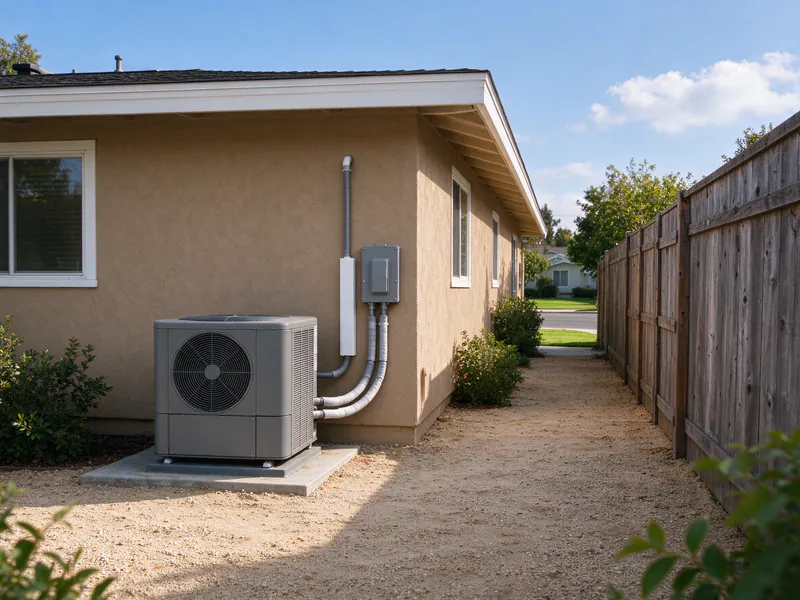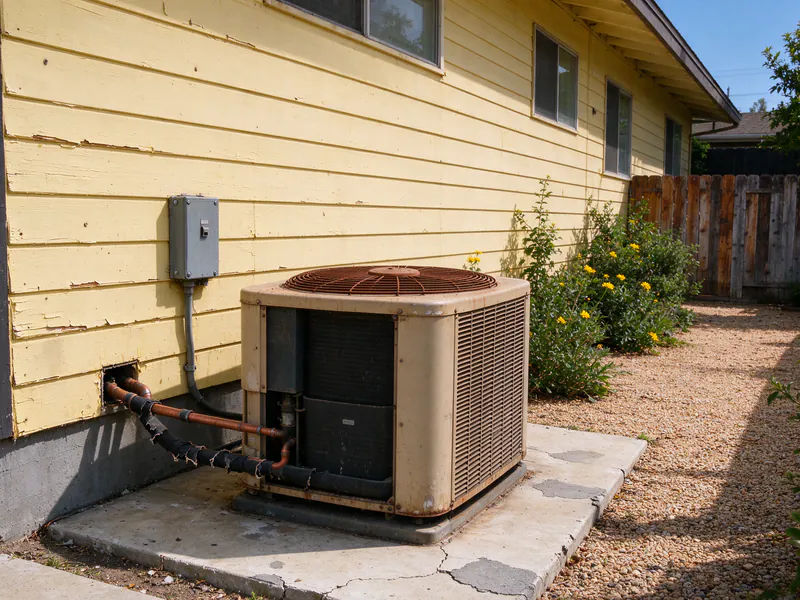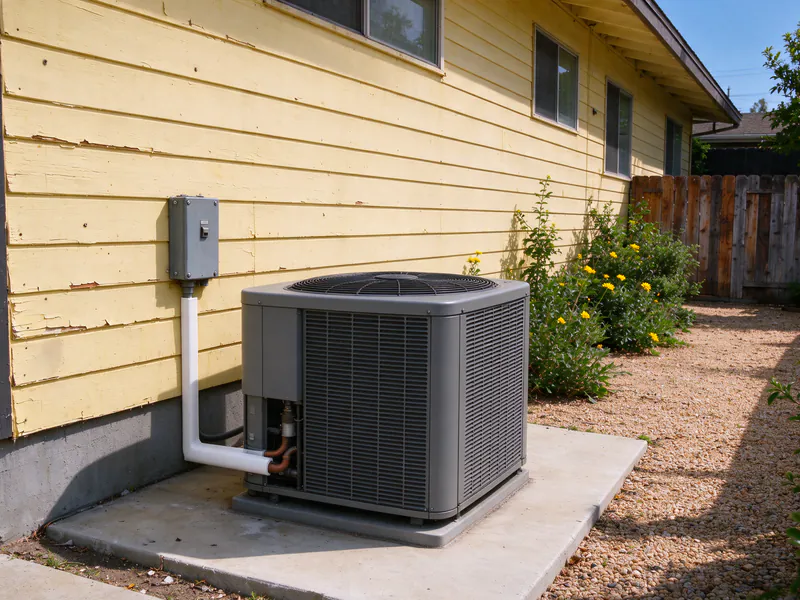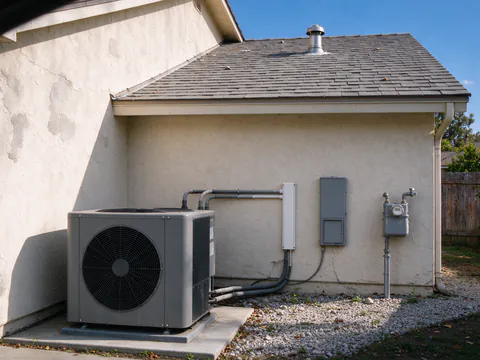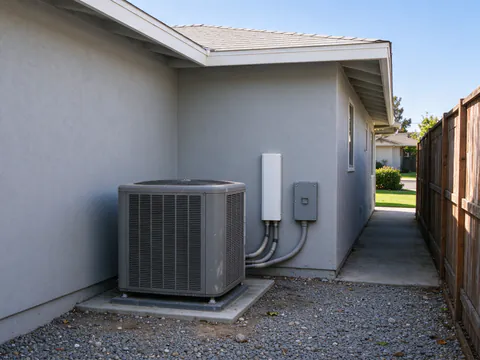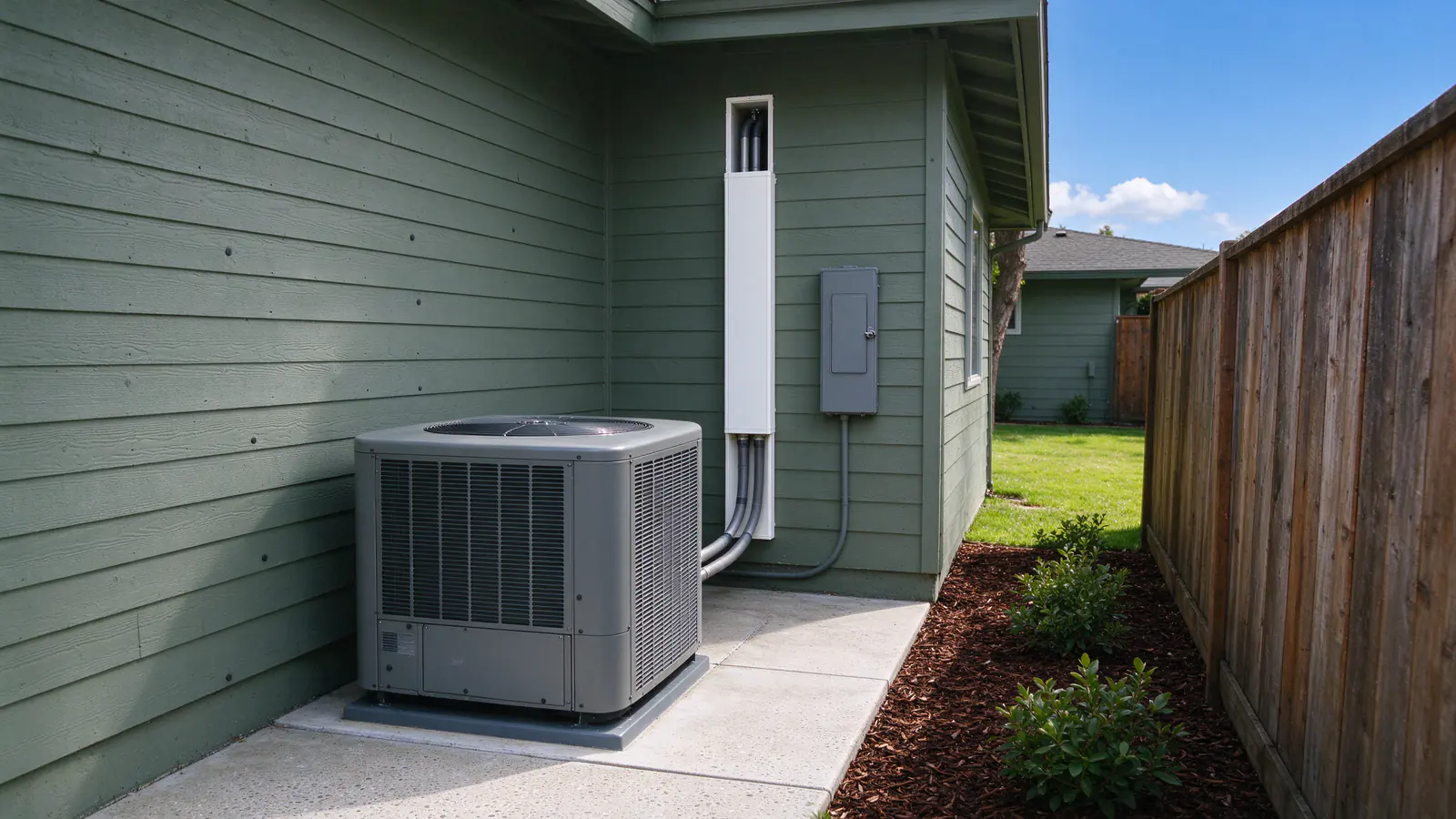
Tule Sacramento Heat Pump installs heat pumps in place of failing central air conditioners in homes across Sacramento County, south Placer County, east Yolo County and El Dorado Hills, through licensed and insured contractors. A heat pump is an air conditioner with a reversing valve, so it cools the house the same way the old AC did. It also runs backward in winter and moves heat indoors.
When an AC fails, the decision is about more than the outdoor unit. The heating side of the house, whether a gas furnace, an electric furnace or strip heat, is what the choice really changes.
Why the AC replacement is the moment to decide
Sacramento’s air conditioners work hard. NOAA’s 1991-2020 normals for Sacramento Executive Airport count about 76 days a year at 90°F or hotter and 14 at 100°F or hotter. When a compressor quits in July, the new outdoor unit, the coil, the line set and the permit are going in anyway, and a heat pump fits the same pad, lines and ducts.
What a heat pump adds
The reversing valve flips the refrigerant flow so the outdoor coil gathers heat and the indoor coil releases it. In winter the outdoor coil can frost over, so the unit runs short defrost cycles. Those two parts, plus the controls that manage them, are what separate a heat pump from the AC it replaces.
Cooling in the valley’s heat
Equipment is sized for the cooling load, which governs in this climate. The California Energy Commission’s design data for Sacramento runs from 98°F at the 1% level to 104°F at the hottest 0.1%. July air at 3 p.m. averages about 91°F with a dew point near 53°F, so the load is mostly dry heat, and airflow of at least 300 cfm per ton suits it. The hot weather guide covers capacity at the top of that range.
What happens on the first visit
The visit sorts out which version of the project fits the house.
- The heating system. Gas furnace or electric furnace, its age, blower type and cabinet width, the coil on top and the flue.
- The load. A Manual J calculation for cooling and heating, so the heat pump isn’t sized from the old AC’s tonnage.
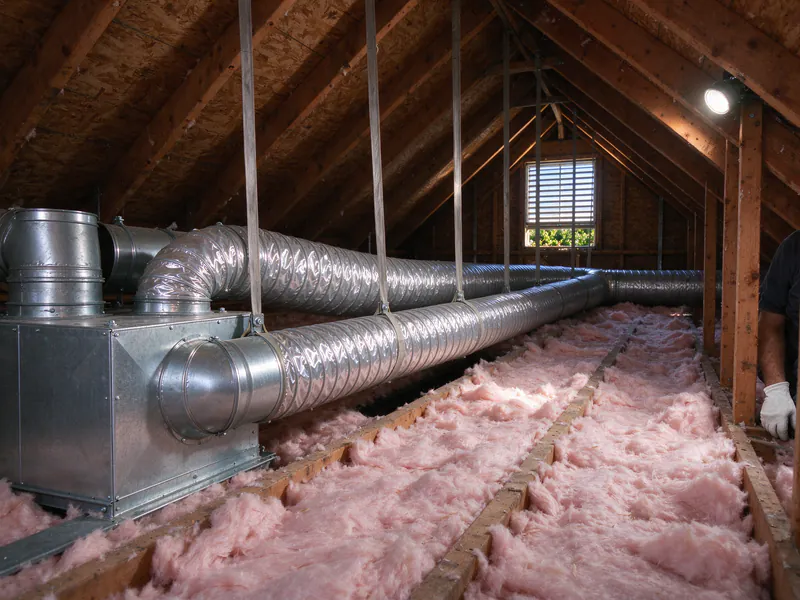
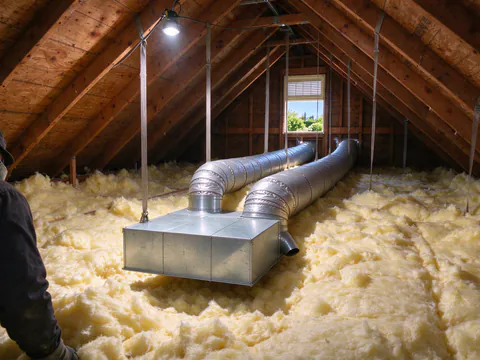
- The ducts. Return size, static pressure and leakage, since the furnace blower now has to move heat pump airflow in both seasons.
- The electrical side. The existing AC breaker, the disconnect and panel space if backup strips are planned.
- The utility. SMUD, Roseville Electric or PG&E, which sets both the rebate and the winter operating cost.
The written scope names the outdoor unit, the coil or air handler, the line set decision, the thermostat and the permit.
Three ways to handle the heating side
Keep the gas furnace as backup
The heat pump coil sits on the furnace, the heat pump handles cooling and most heating, and the furnace runs only below a set outdoor temperature or when the heat pump can’t keep up. This is a dual fuel system, and the changeover setting decides how much gas the house still burns. Dual fuel heat pumps covers the controls and the economics.
Retire the furnace too
If the furnace is near the end of its life, a heat pump with its own air handler replaces both appliances, and the gas branch is capped. On SMUD power that project can qualify for the $3,000 or $2,000 gas-to-electric rebate. Gas furnace to heat pump conversion covers the full project.
Homes that heat with electricity already
Where the AC sits on an electric furnace or a strip-heat air handler, the heat pump becomes the main heat and the strips drop to backup. Resistance heat delivers one unit of heat per unit of electricity; a heat pump delivers several in mild weather. In the CEC’s 2019 survey, 18% of SMUD households used conventional electric heat. That swap falls under SMUD’s electric-to-electric rebate.
Swamp cooler homes
The same survey found evaporative coolers in 13% of SMUD households. Moving from one to a ducted heat pump depends on whether the house has ducts that can carry heat pump airflow, which the heat pump vs swamp cooler guide explains.
The coil, the furnace blower and the refrigerant
Why the old coil rarely stays
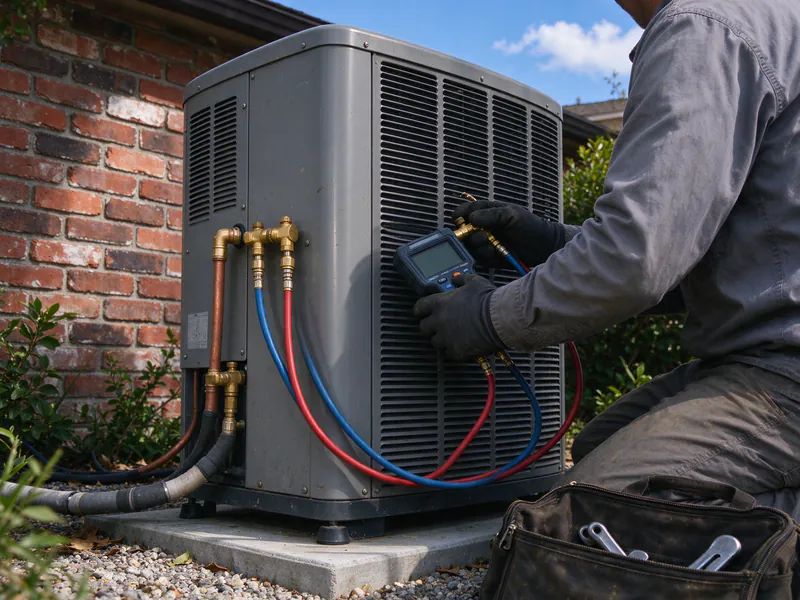
New heat pumps use lower-GWP refrigerants such as R-454B or R-32, and each outdoor unit is rated with specific indoor coils. An AC coil built for R-410A is not a rated match, so a new coil goes on the furnace. It has to fit the cabinet width, often with a sheet-metal transition sealed at every seam, and its drain pan needs a working trap and overflow switch. The refrigerant guide explains the change.
Can the furnace blower keep up?
A heat pump needs at least 300 cfm per ton in both heating and cooling. An older single-speed furnace blower may have been set for a smaller AC, or for heating airflow only. If it can’t deliver the airflow through the existing ducts, the options are adjusting the blower, fixing restrictive returns or moving to an air handler. Heat pump ductwork covers the duct side.
Thermostat and controls
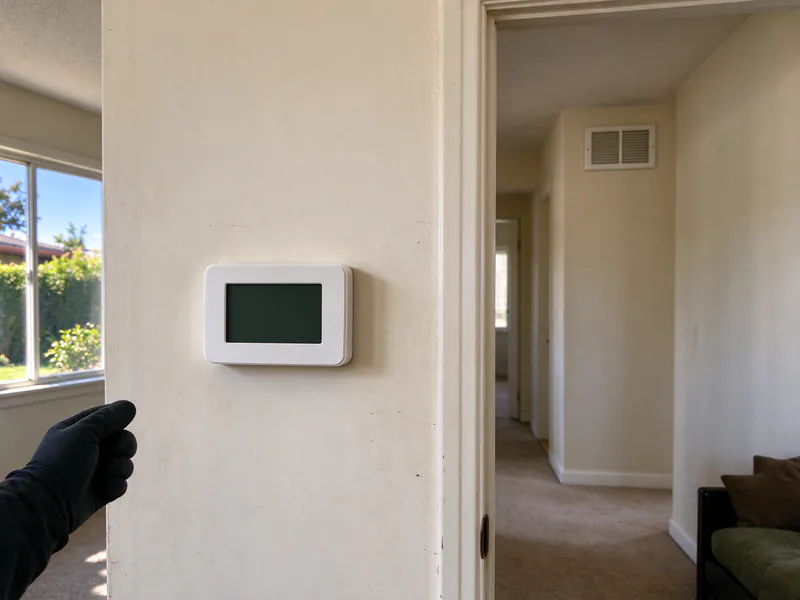
The thermostat has to drive the reversing valve and stage the backup heat, gas or electric. Title 24 requires a digital setback thermostat whenever refrigerant components are replaced, and SMUD’s rebate requires a Wi-Fi seven-day programmable model.
The permit and the Title 24 visit
Swapping only the outdoor unit still counts as an alteration. The California Energy Commission’s HVAC FAQ says replacing the outdoor unit of a split system by itself triggers duct sealing, and the existing ducts must be tested by the installer and an ECC-Rater. Refrigerant charge verification applies to heat pumps in every climate zone, and to air conditioners in zones 2 and 8 through 15, which includes Sacramento’s zone 12. The heat pump vs air conditioner guide compares the two in more detail.
Winter operating cost once the heat pump heats
Summer bills barely change: a heat pump and an AC with the same SEER2 rating use about the same energy to cool. Winter is where the utility matters.
| Electricity supplier | Winter price per kWh used for the comparison | Heat pump beats a 95% gas furnace above COP |
|---|---|---|
| SMUD, off-peak | $0.1285 | 1.41 |
| Roseville Electric, Tier 2 | $0.1989 | 2.18 |
| PG&E E-ELEC, off-peak | $0.28468 | 3.13 |
Those break-even figures are derived from the utilities’ tariffs and PG&E’s residential gas rate, energy charges only. On SMUD power almost any modern heat pump heats for less than gas. On PG&E power, keeping the furnace for the coldest hours is a closer call. The electric bill guide covers what changes month to month.
Rebates and budgeting
SMUD tiers
SMUD’s heat pump rebate depends on what the heat pump replaces. Gas heating removed: $3,000 for variable-stage, $2,000 for two-stage at 15.2 SEER2 or higher. An existing electric system replaced: $1,000. SMUD does not state whether a heat pump added to a kept gas furnace qualifies, so that is confirmed before the equipment is chosen. All tiers require qualifying equipment installed by a participating contractor in the SMUD Contractor Network; rebate-qualified installations are available on request. Roseville Electric lists no heat pump rebate, and none was found from PG&E.
What it costs
No local data isolates the cost of adding a heat pump to a kept furnace, so it is quoted from the furnace, coil and control work it needs. For full conversions, about half of recent Sacramento-area projects land between roughly $15,000 and $24,000 before rebates; SMUD’s published median for electric-to-heat-pump upgrades is about $17,000 for split systems. The cost estimator gives a range for your house.